Briefing@rylancjqt735
Verified > 99% Lab-grade Peptides
5 min read
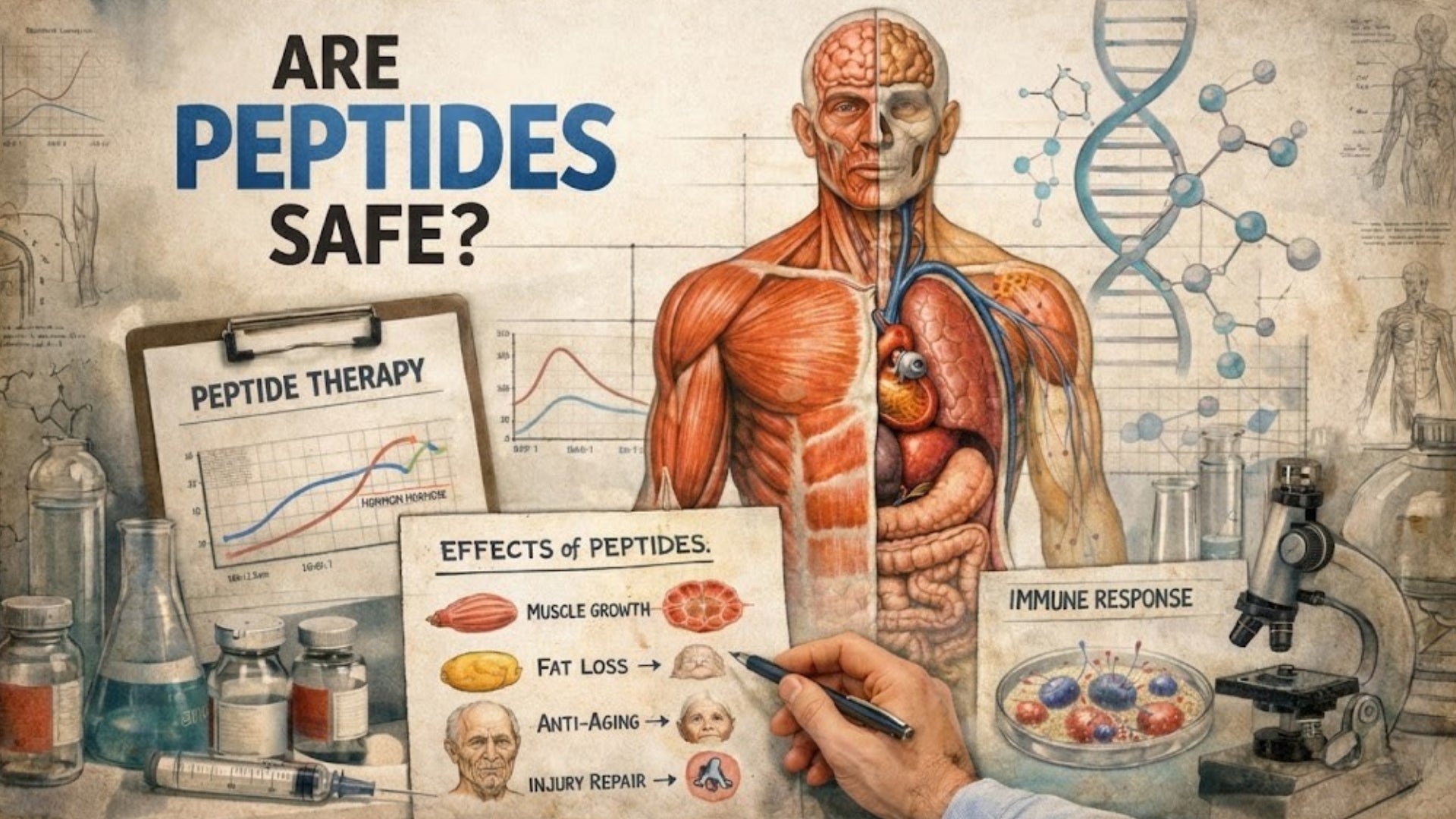
What Is Peptide Purity And Why Does It Matter In Research-grade Peptides? Qing Li Peptide Crude peptides undergo gel filtration followed by HPLC filtration. HPLC filtration is carried out by the state-of-art HPLC system with Empower Chromatography Manager. The system is confirmed by licensed Seas recognition specialist to comply with FDA requirements. The pureness of the peptide is validated by running logical HPLC followed by mass range analysis.
- Certificate accessibility decreases unpredictability by permitting customers to confirm identity, purity, and traceability before purchase, which supports reproducibility and decreases the danger of inconsistent batches.
- This matters due to the fact that peptides are constructed one amino acid each time via solid-phase peptide synthesis (SPPS).
- Identity confirmation confirms the specific secretagogue being examined.
- Palmetto Peptides offers third-party COA paperwork for its research peptide magazine, with screening done by certified external logical laboratories.
What Paperwork Do I Obtain?
While several firms specialise in peptide synthesis, Cernum provides an elite degree of documents that straightens with the demands of both independent biohackers and institutional scientists. It takes expertise of solution and threats incorporated with creating details analytical approaches for each and every resources, raw material impurity, etc to control the final product quality. Researchers then measure just how much of the total signal comes from the major peak. If 98% of the signal originates from the proper peptide, the item is labeled "98% pure by HPLC." This is a basic means of revealing peptide high quality across study and pharmaceutical sectors. The study worth of any type of peptide substance depends straight on what is actually in the vial. A compound specified to be 95% pure contains 5% of another thing-- and in a research study setup, that "another thing" matters. Without independent confirmation, you're trusting advertising insurance claims over scientific proof. And in the peptide globe, that assumption can result in wasted cash, failed research, and potentially serious safety and security concerns. You have actually acquired peptides from what felt like a trusted vendor. The product arrived with a certificate of analysis revealing 99% purity. In lots of laboratories, HPLC outcomes are additionally validated with another examination that examines the peptide's precise molecular weight, including an extra layer of verification. If the COA notes "total impurities", that enhances the purity number (e.g., 98% purity suggests 2% complete pollutants). Many COAs also specify well-known or "specified pollutants" versus undefined ones, each with their individual percentages if above a certain limit. This degree of information assists researchers recognize if any type of minor peptide byproducts are present. Reliable peptide sourcing services for center owners who prioritize safety, high quality, and regular individual results. Discover vendors that give certified, high-purity products backed by transparent screening and documentation. Selecting the best exterior lab for peptide screening entails reviewing a number of factors. A relied on lab ought to have demonstrable experience in peptide chemistry evaluation-- for example, PhD-level drug stores or biochemists on personnel who recognize peptides' synthesis and degradation paths. Accreditation by relevant bodies (such as ISO/IEC or certification for GLP/GMP compliance) is a solid indication of high quality. An accredited laboratory follows rigorous guidelines for test accuracy and approach recognition. You can frequently examine if a laboratory is accredited via its site or paperwork; accreditation makes certain the lab's protocols and outcomes are held to global criteria. Palmetto Peptides gives batch-specific COAs with third-party HPLC and mass spectrometry information for all research study peptide items.What equipment is utilized to evaluate peptide pureness?
Peptide pureness is regularly determined by HPLC (high performance liquid chromatography). This approach allows splitting up and relative metrology of each peptide synthesized. If combined to a mass spectrometer (MS), this gives molecular mass/ identification details of the target peptide and coming with impurities.